My Writing.
My writing explores graphic design history, queer visual culture, and the overlooked artifacts and stories that exist outside the traditional design canon. Drawing from archival research and my own collection of vernacular print ephemera, I examine how design has shaped—and been shaped by—identity, desire, politics, popular culture, and everyday life.
These essays look closely at the designers, images, objects, and cultural moments that deserve another look, uncovering histories that have often been hidden, forgotten, or simply left out.
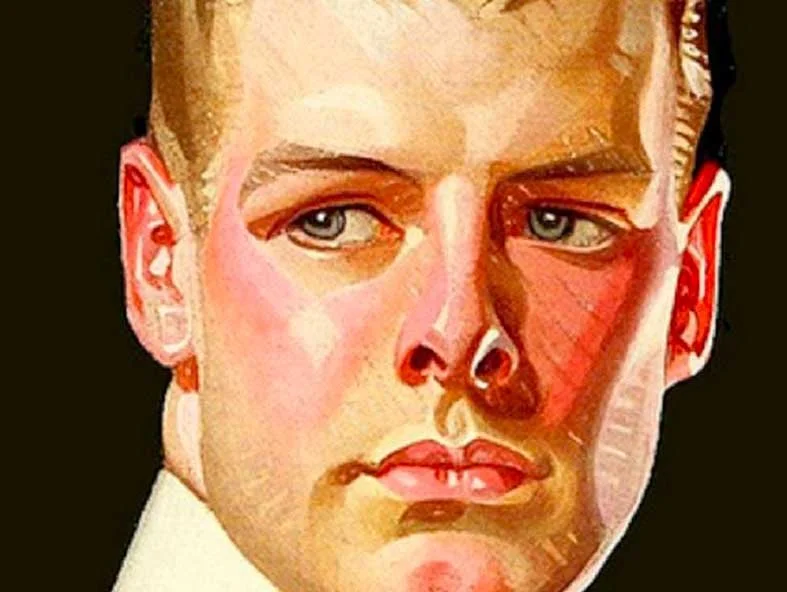
J.C. Leyendecker’s Ideal Man
The Arrow Collar Man
J.C. Leyendecker has to be one of my favorite artists of the twentieth century. As the most famous illustrator of his day, his work was published for decades in premier magazines like The Saturday Evening Post and Collier’s. Read more.
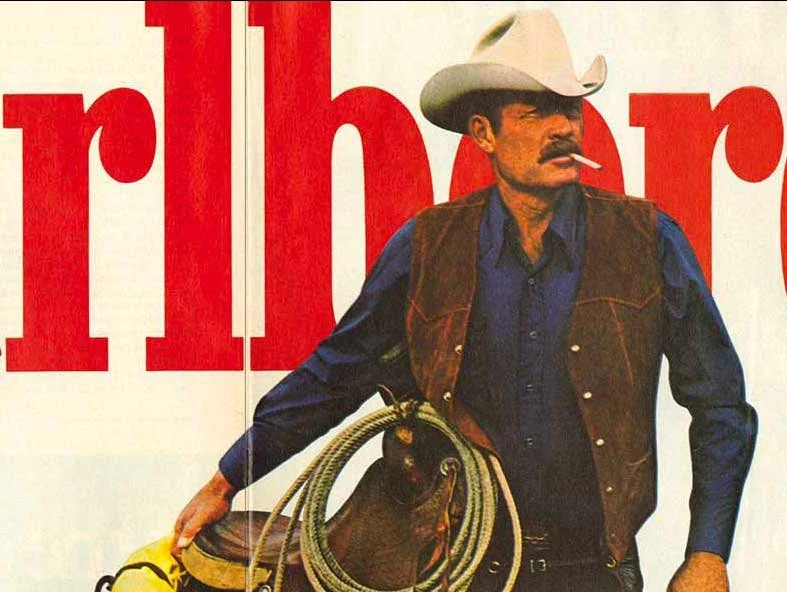
The Marlboro Man
A Homoerotic American Hero
It’s hard to believe today, but Marlboro was initially marketed as a cigarette for women. The brand had targeted a high-class female audience beginning in 1924 with its “Mild as May” campaign. To strengthen its ability to compete with major brands like Lucky Strike, Camel, and Chesterfields in the 1950s, Philip Morris, with the help of the Leo Burnette advertising agency, set out to create a campaign targeted to me. Read more.
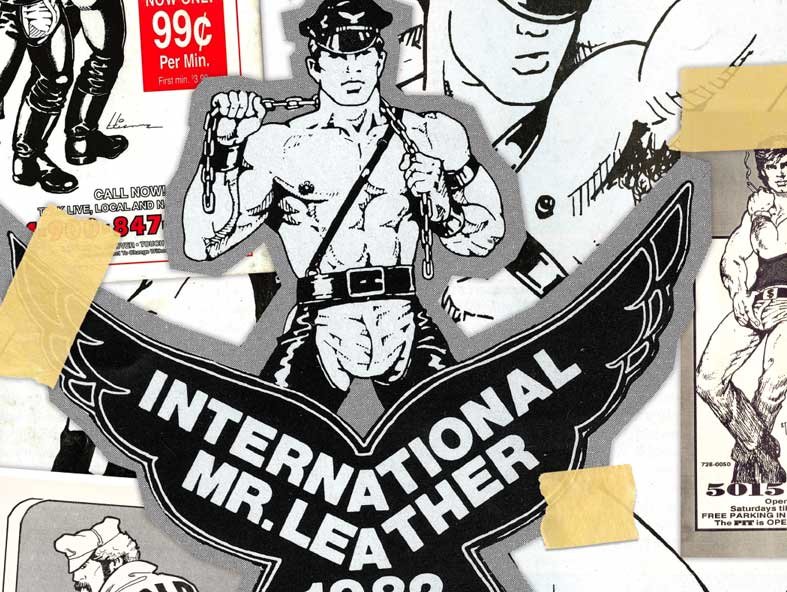
Etienne
Flipping stereotypes of what being “gay” should look like.
Under the pen name “Etienne,” Dom Orejudos drew and licensed a body of gay erotica that sexualized muscular, sharp-jawed, hyper-masculine men. At the time, Orejudos’s sexy illustrations were considered revolutionary — challenging the universal link between heterosexuality and masculinity and flipping stereotypes of what being “gay” should look like. Read more.